When Two Become Three
What happens to the couple after a baby?
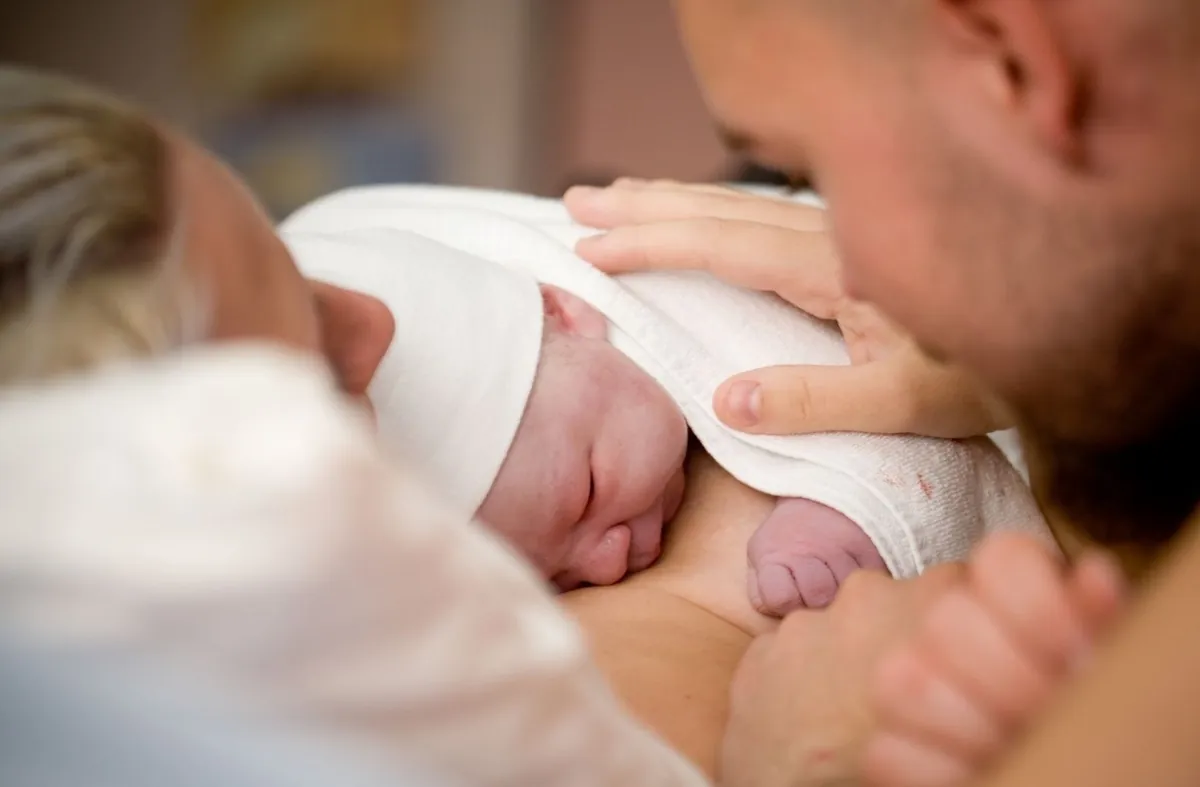
Two people decide to have a child together. They imagine becoming a family, perhaps feeling more united than ever. Somewhere between sleepless nights, endless decisions and the demands of caring for a baby, they may find themselves wondering what happened to the couple they used to be.
The arrival of a child is one of the biggest changes a relationship goes through. The baby becomes part of a relationship that already has its own history, and their presence changes how that relationship works.
We tend to underestimate how much adjustment this asks of both partners.
A family is born, and the couple changes
Before a child arrives, a couple has already found its own way of functioning, with its habits, unspoken expectations and a familiar balance of closeness and distance.
In systemic psychology, we understand a family as a relational system, in which a change for one person reaches everyone else. A baby’s arrival asks this system to reorganise. Time, attention and intimacy are redistributed, often with little chance to talk about what each partner needs.
Some arrangements that worked before simply stop working. Many couples keep measuring their relationship against how things used to be, and it can be hard to accept how much has changed.
There can be a sense of loss in this transition, even when the child was deeply wanted. Certain freedoms, familiar routines and ways of being together are hard to get back.
We bring our own childhoods into parenthood
When two people become parents, they also bring the families they grew up in.
Our early experiences shape our ideas about what mothers and fathers should do, how affection is shown and what it means to care for someone. Much of this stays outside our awareness until parenthood brings it into question.
One partner may have grown up in a family where love was expressed through practical care, the other in one where love meant emotional presence. One may have learned that a good parent puts their own needs last, while the other remembers that sacrifice as a source of resentment.
These differences can stay quiet for years and only become visible once the couple has to make decisions about raising a child.
Becoming a parent can also reawaken parts of our own childhood. We may catch ourselves repeating what we once criticised in our parents, or trying so hard to do things differently that it becomes difficult to find our own way.
A disagreement about who gets up at night may carry questions about fairness and recognition, and deeply held beliefs about who is supposed to care for whom.
When both feel they are giving everything
A baby changes how affection and attention circulate within the couple.
An infant’s intense dependency asks for a great deal of emotional investment. Especially in the early months, parents have less space for themselves and for each other.
Often one partner feels invisible, while the other is needed so constantly that there is little left to give. Touch can change its meaning too, when a longing for closeness meets a body that is simply exhausted.
Both feel they are giving everything they have, and neither feels cared for.
Freud described love as an investment of psychic energy. In early parenthood, much of that energy goes to the baby, which leaves less for other relationships, including the couple.
Frustration and resentment often express a wish to be seen and cared for again, beyond the responsibilities of parenthood.
What are we really arguing about?
Many couples find themselves arguing about ordinary things after having a baby. Laundry, bedtime routines, whose turn it is to rest, why someone didn’t notice what needed to be done.
The practical inequalities behind these conflicts are real, especially when care and the mental load fall mostly on one partner. But these arguments are often also about recognition and trust.
Partners’ reactions feed each other. Someone who feels unsupported may become more critical or controlling. The other, feeling criticised, withdraws. The withdrawal deepens the first partner’s sense of being alone, and the pattern continues.
Over time, couples can get caught in interactions that leave both feeling misunderstood. Recognising the pattern can help them see what is happening between them, while each person stays responsible for their own behaviour.
Finding a new way of being together
There is often an expectation that a couple will return to normal once the intense early months have passed. But becoming parents changes a relationship for good.
Family therapists describe becoming parents as a developmental transition, one that calls for new roles and new boundaries. Bit by bit, couples need to find a way of living together that fits the new family.
Two people can become devoted parents and slowly lose touch with each other as partners. They may work well as a team running family life, with little space left to experience themselves as a couple.
Staying connected means recognising that both partners are going through a transformation, often in different ways. Their needs, expectations and experiences of parenthood won’t always match.
We prepare for birth, learn about feeding and sleep, and make room in our homes for a baby. There is far less conversation about what changes between the adults.
I wonder whether couples might benefit from approaching this period with fewer expectations of returning to their previous relationship, and more curiosity about the one they are becoming.
Finding your way as a couple?
Couples counselling can offer a space to look at what is happening between you, during pregnancy or after your baby arrives.
About couples counselling